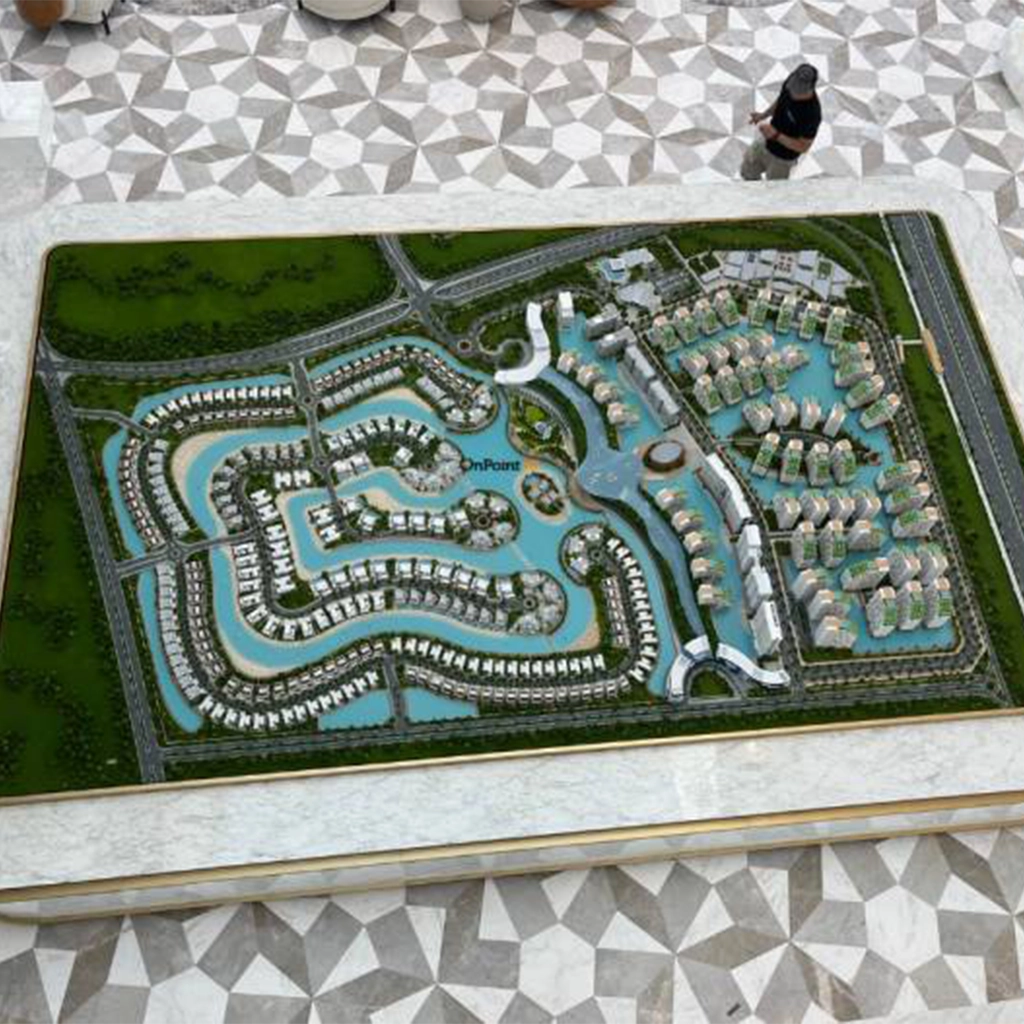
Every great building begins as an idea. An idea that lives in the mind of an architect, sketched on paper, or rendered on a screen. But there is a magical moment when that idea steps out of the imagination and into the real world. That moment happens when a physical model is built. It is a tangible piece of the future.
Architectural model makers in Dubai are the craftspeople who make this possible. They take flat drawings and turn them into something you can hold, touch, and walk around. Their skill brings clarity to complex designs and helps everyone involved truly understand the project.
The power of a physical object:
A digital image on a computer can be changed with a click. It is flat and fleeting. But a physical model is different. It sits on a table, solid and real. You can see how light hits the walls. You can understand the scale by looking at tiny cars and trees placed next to it. This physical presence gives a feeling of certainty. It tells the client, the builder, and the community that this project is real and ready to be built.
Building better communication:
Construction projects involve many different people. Architects, city planners, investors, and future residents all need to understand the design. Blueprints can be hard to read. Computer images can be misleading. A physical model is a universal language. Everyone can gather around it and see the same thing. It makes discussions clearer and decisions easier. When everyone can point to a tiny balcony or a specific window, problems are solved faster.
Finding hidden problems early:
It is one thing to see a design on a screen. It is another to see it in three dimensions. Model makers often spot errors that are invisible on a computer. A hallway might feel too narrow. A window might be oddly placed. A roofline might look awkward from a certain angle. Finding these small issues in a model saves huge amounts of time and money later on.
Creating emotional connection:
People connect with things they can see and touch. A scale model creates an emotional link to a project. For a client, seeing their future home or office in miniature form is exciting. It builds trust and confidence. For a community, a model shows how a new building will fit into their neighborhood. It turns an abstract plan into something they can feel good about.